
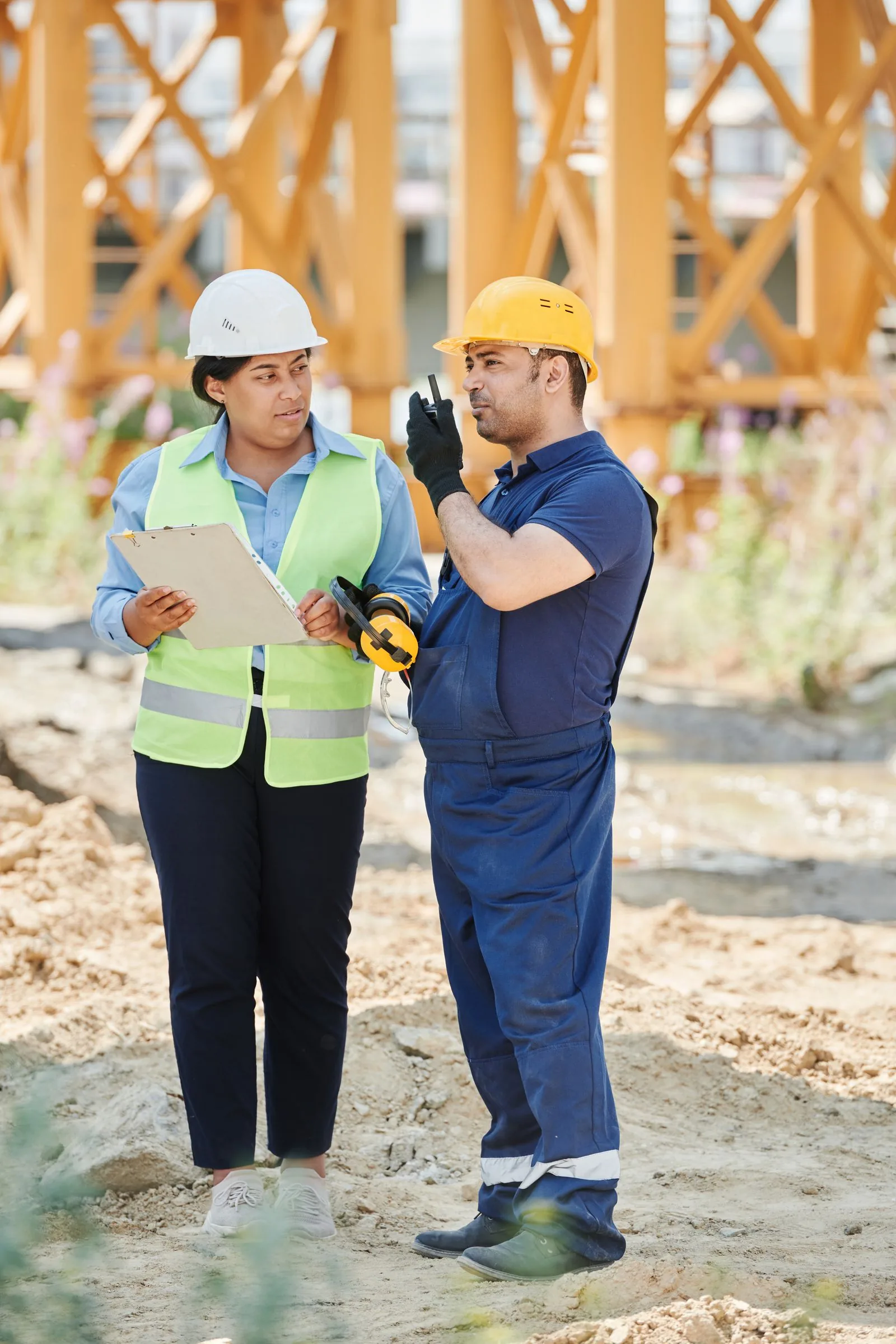
The broad stages of a development brief, and what to discuss at each one.
01 / 03
Begin with the brief
A useful brief brings together the site, intended use, budget assumptions, timeline and the people who will make decisions. It should also identify what is known and what needs a survey or professional review.
Early clarity reduces the risk of design work moving ahead on assumptions that later prove difficult or expensive to change.
02 / 03
Coordinate design and execution
Planning, structural design, services and procurement affect one another. Regular coordination helps the team resolve conflicts on paper before they become site problems.
During execution, progress records, material approvals and clearly documented changes make it easier to compare work against the agreed scope.
03 / 03
Prepare for occupation
Completion involves more than the final coat of paint. Inspections, testing, documentation, snag resolution and a practical handover plan all contribute to a usable outcome.
For any particular project, confirm responsibilities, approvals and contractual milestones with the appointed professionals and the current written documents.
This article is illustrative editorial content. For project-specific details, refer to current approved documents and speak with the project team.